
Scams used to be easier to spot. Bad grammar, strange email addresses, messages that didn’t quite make sense.
That’s no longer the case.
With AI, scammers can now write properly, speak clearly and even imitate real people. Emails look normal. Messages sound convincing. Sometimes, it even feels like you’re dealing with someone you know.
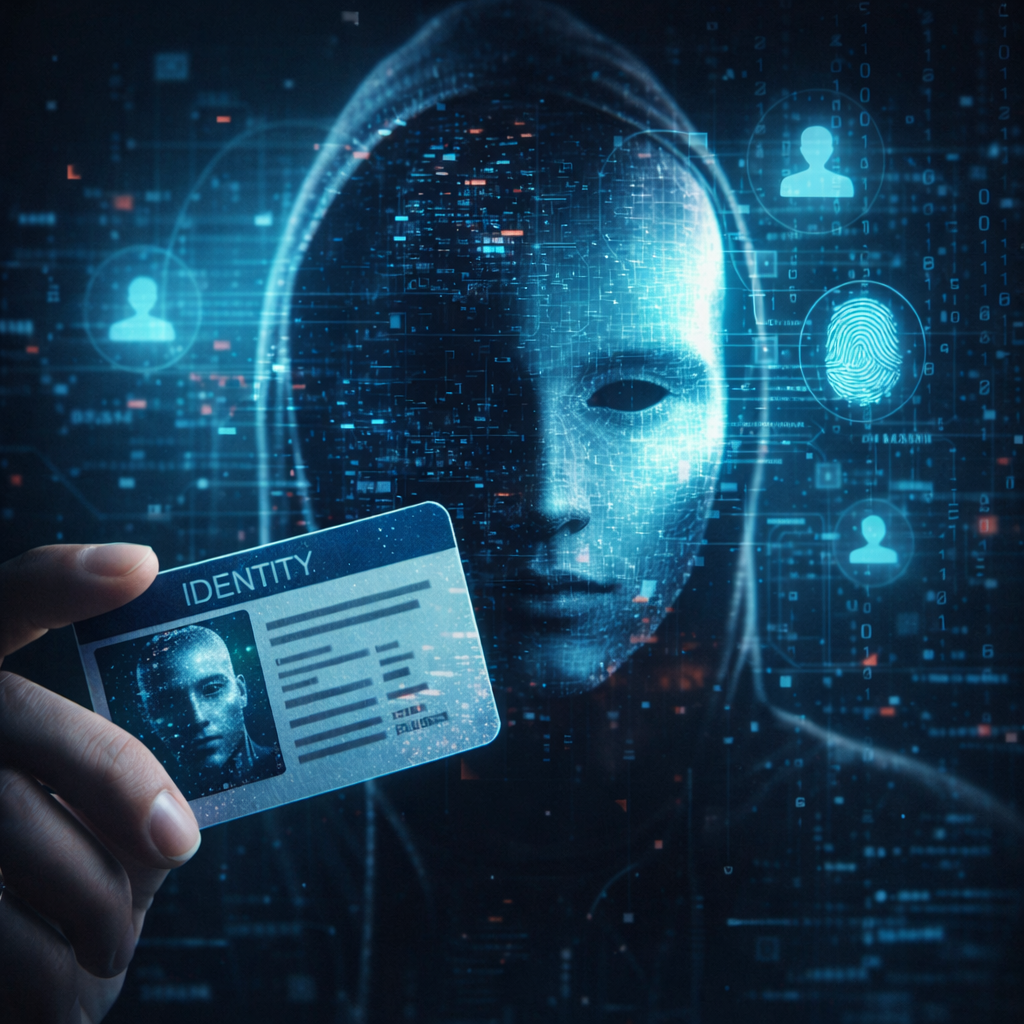
One of the more worrying trends is the use of fake identities. AI can generate realistic profile photos, documents and background details within minutes. On the surface, everything looks legitimate. Only later do people realise something is wrong, often after money has already been transferred or sensitive information has been shared.
It’s not just individuals being targeted. Businesses are increasingly exposed as well. There have been cases where employees receive instructions that appear to come from management- same tone, same style, sometimes even voice messages that sound real. Without a proper verification process, it’s easy to make a costly mistake.
What’s changed is not just the tools, but the level of trust being exploited. We are used to relying on what we see and hear. AI is making that much harder.
This doesn’t mean technology is the problem. But it does mean we need to be more careful. A quick double check, a second confirmation, or simply slowing down before acting can make a big difference.
Because right now, the biggest risk isn’t just scams.
It’s how real they can look.
At LexMesos Solutions, we support businesses in identifying operational and compliance risks, including emerging risks linked to digital tools and AI usage.
Keywords: AI scams, fake identity fraud, AI deepfake scams, online fraud AI, business scam prevention, AI impersonation fraud, digital identity risks, compliance risk AI, fraud detection business, cybersecurity awareness
18 March 2026