Articles

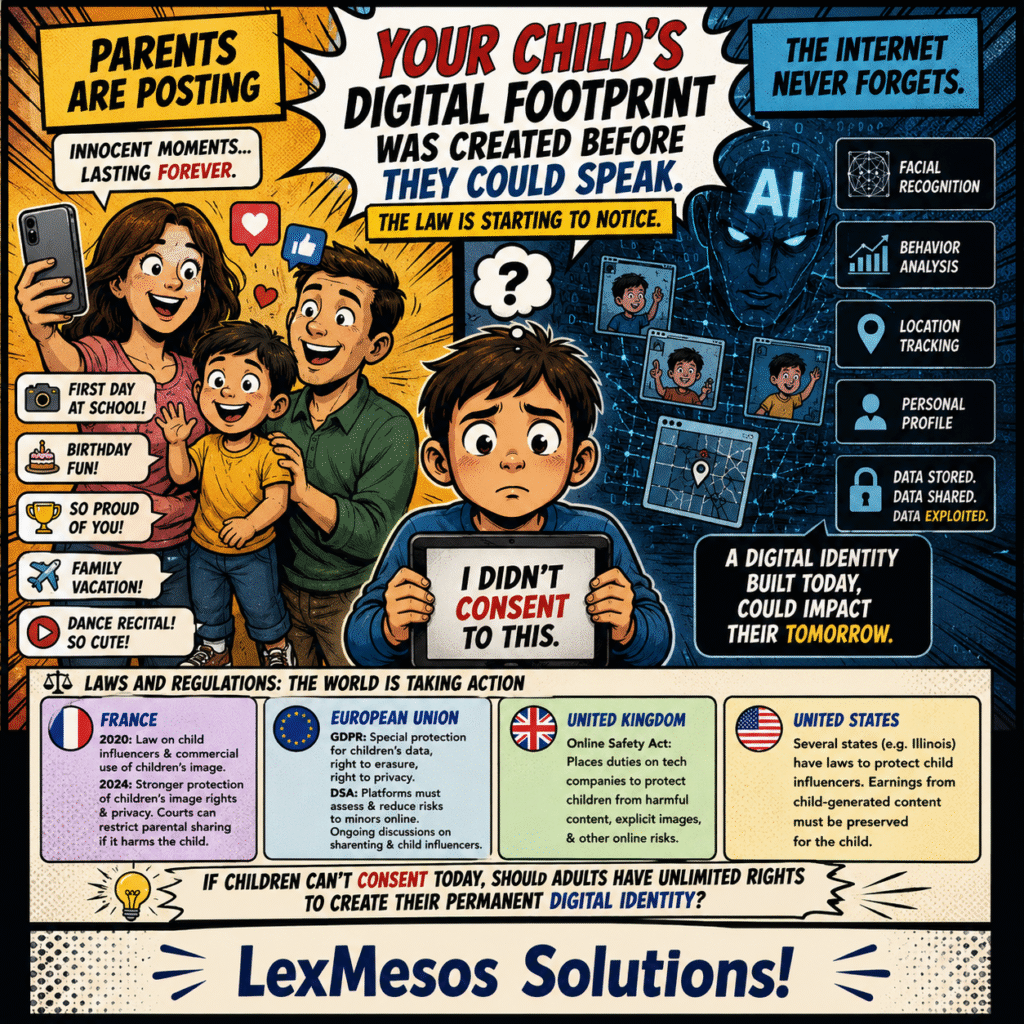
Comic-style illustration showing how parents, social media platforms, and AI technologies contribute to a child's digital footprint before the child can consent.

Your Child’s Digital Footprint Was Created Before They Could Speak. The Law Is Starting to Notice.

Governments Want to Protect Children Online. But Some Are Asking a New Question. For years, governments have focused on protecting children from online harms such as cyberbullying, explicit content, online predators and harmful algorithms. Today, a different issue is emerging: What happens when a child’s online identity is created not by the child, but by

Your Child’s Digital Footprint Was Created Before They Could Speak. The Law Is Starting to Notice. Read More »

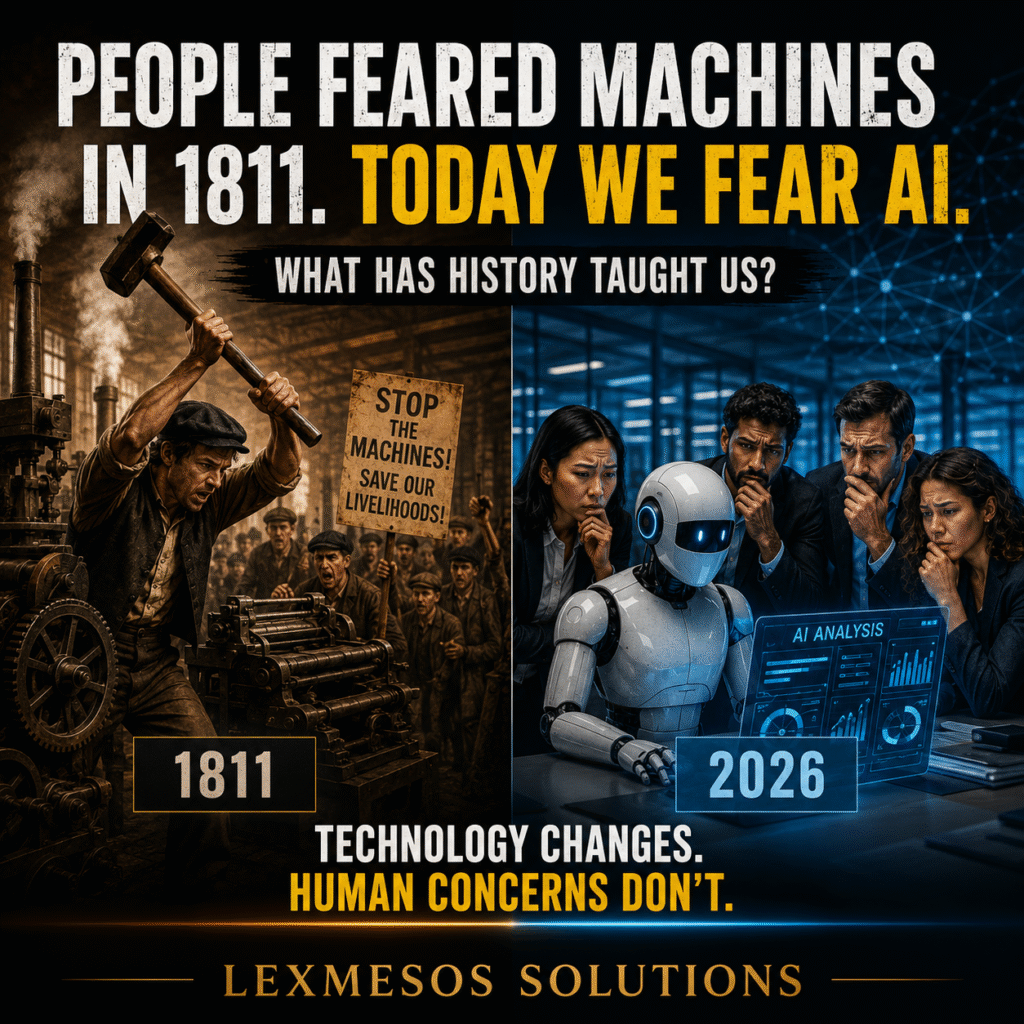
Split-screen image comparing workers protesting industrial machines in 1811 with modern professionals concerned about AI technology in 2026, illustrating how fears of technological disruption continue across generations

People Feared Machines in 1811. Today We Fear AI. What Has History Taught Us?

In 1811, workers smashed machines because they believed technology was taking away their livelihoods. More than 200 years later, many employees fear Artificial Intelligence (AI) for exactly the same reason. Different technology. Same anxiety. Today, headlines are filled with predictions that AI will replace jobs, automate tasks, reduce hiring and transform entire industries. Some people

People Feared Machines in 1811. Today We Fear AI. What Has History Taught Us? Read More »

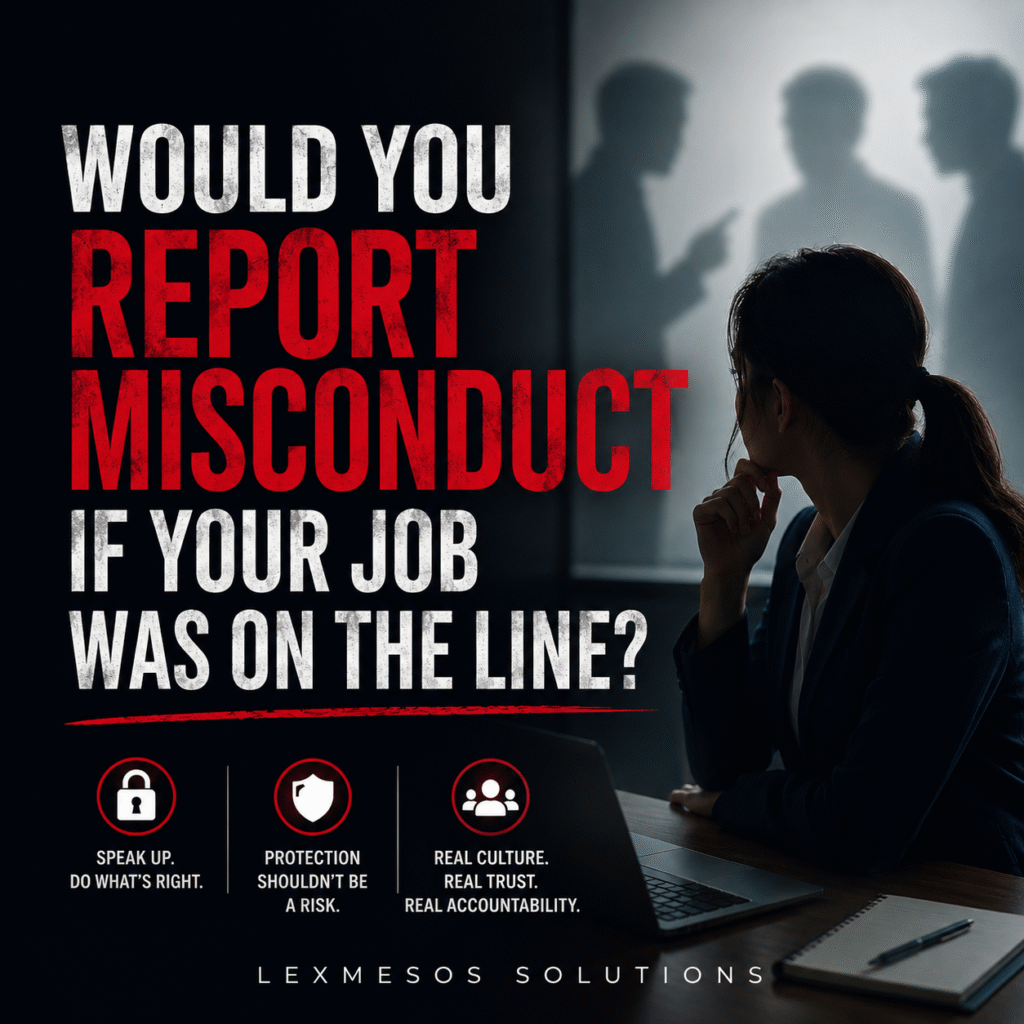
Corporate whistleblowing awareness image showing an employee facing a difficult decision about reporting workplace misconduct, with emphasis on trust, accountability, and whistleblower protection.

Whistleblowing Sounds Good on Paper. But Are Employees Really Protected?

Most companies have whistleblowing policies, reporting channels and compliance programmes. But when misconduct involves powerful individuals, would employees really feel safe enough to speak up? This article explores the gap between whistleblowing policies and workplace reality.

Whistleblowing Sounds Good on Paper. But Are Employees Really Protected? Read More »

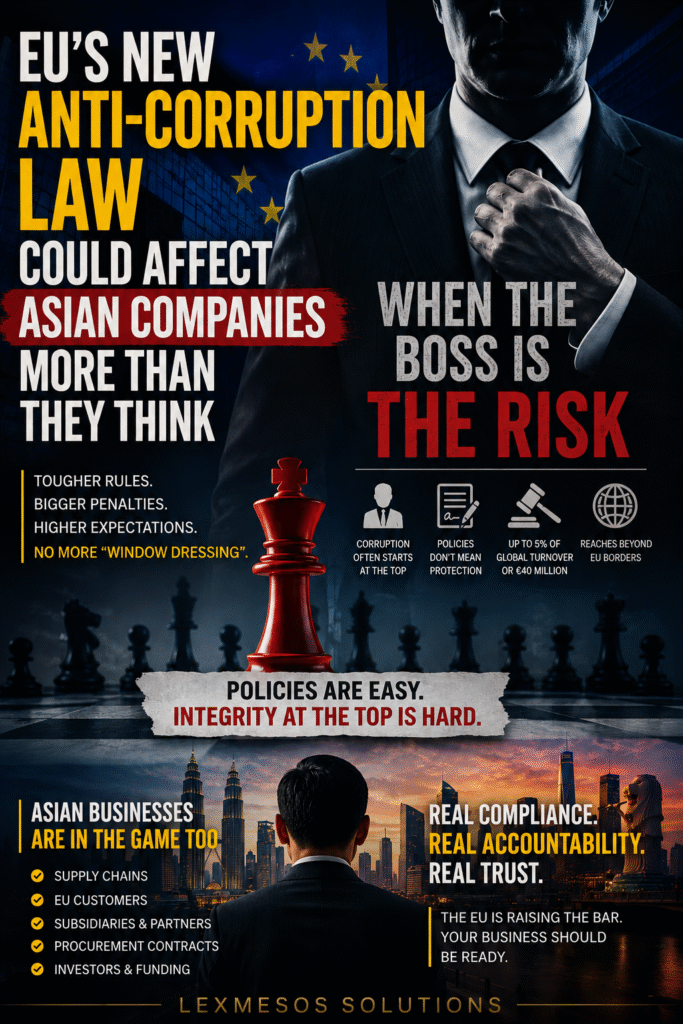
Dramatic corporate-style image about the EU Anti-Corruption Directive showing compliance risks, governance pressure, and accountability challenges for Asian companies connected to EU markets.

EU’s New Anti-Corruption Law Could Affect Asian Companies More Than They Think

The EU’s new Anti-Corruption Directive could affect far more than European companies alone. As compliance expectations tighten globally, Asian businesses connected to EU markets may soon face greater pressure to prove that their anti-corruption policies are more than just “window dressing”.

EU’s New Anti-Corruption Law Could Affect Asian Companies More Than They Think Read More »

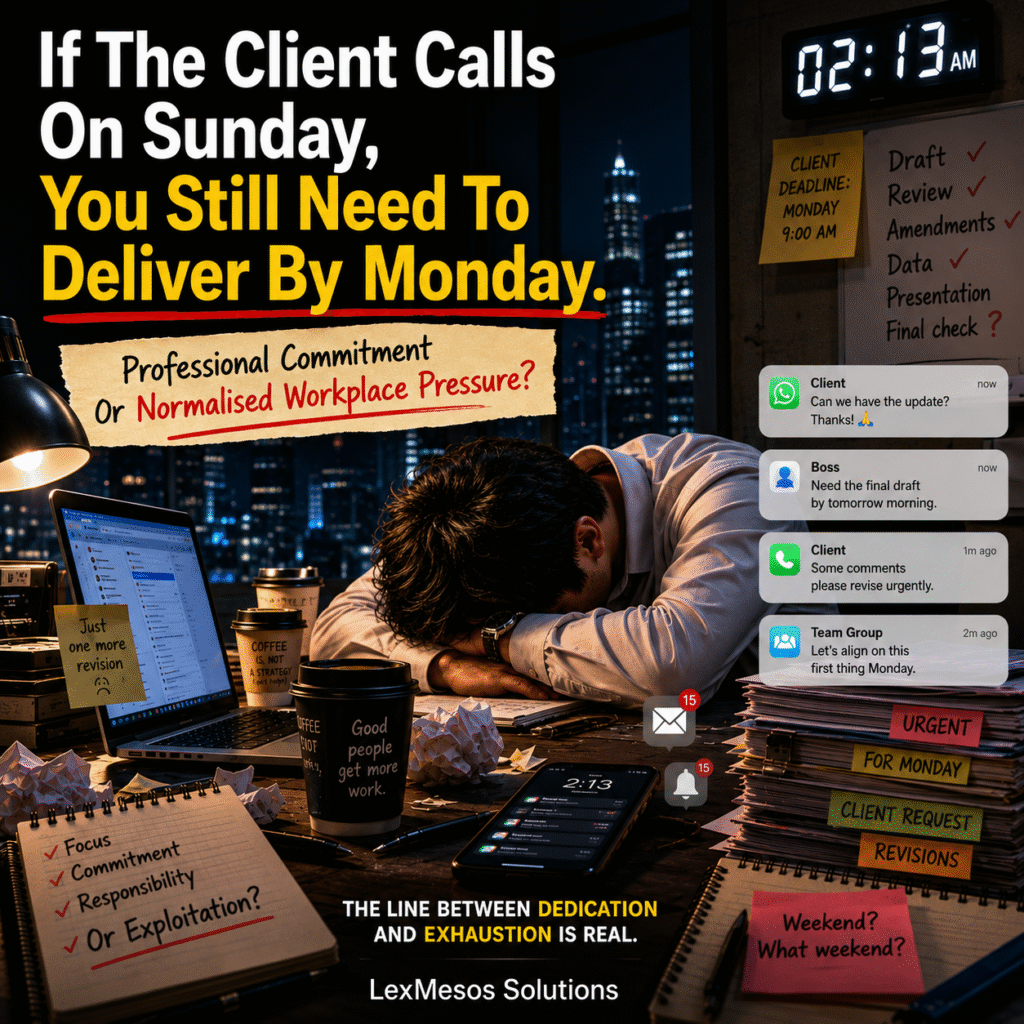
iAn exhausted office worker sleeping at a cluttered desk late at night while urgent client messages and Monday deadlines continue appearing on screens and sticky notes.

“If The Client Calls On Sunday, You Still Need To Deliver By Monday.”

Modern workplaces increasingly reward constant availability and sacrifice, but where is the line between professional commitment and normalised workplace pressure? As burnout rises globally, more employees are beginning to question whether endless availability should still be treated as dedication.

“If The Client Calls On Sunday, You Still Need To Deliver By Monday.” Read More »

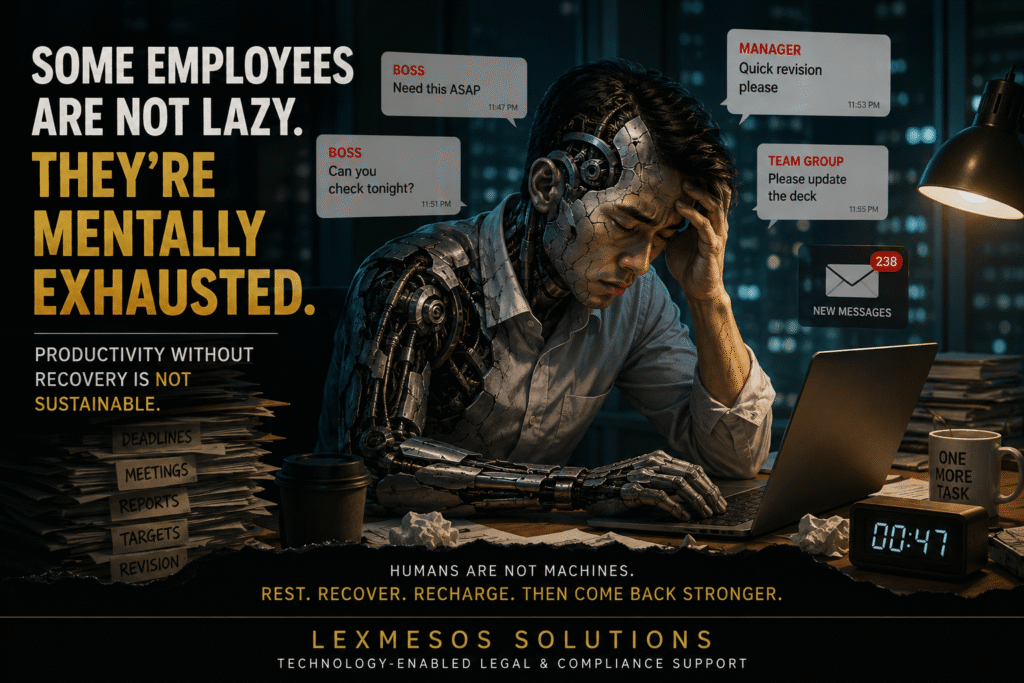
A dramatic digital illustration of an exhausted office employee slowly turning into a machine while working late at night under nonstop workplace pressure, deadlines, overtime messages, and constant productivity expectations.

Some Employees Are Not Lazy. They’re Mentally Exhausted.

As burnout rises globally, many employees are beginning to question whether modern workplaces still treat human recovery as necessary or merely a disruption to productivity. This article explores the growing contrast between Northern European leave cultures and the constant productivity expectations still common in many Asian workplaces.

Some Employees Are Not Lazy. They’re Mentally Exhausted. Read More »

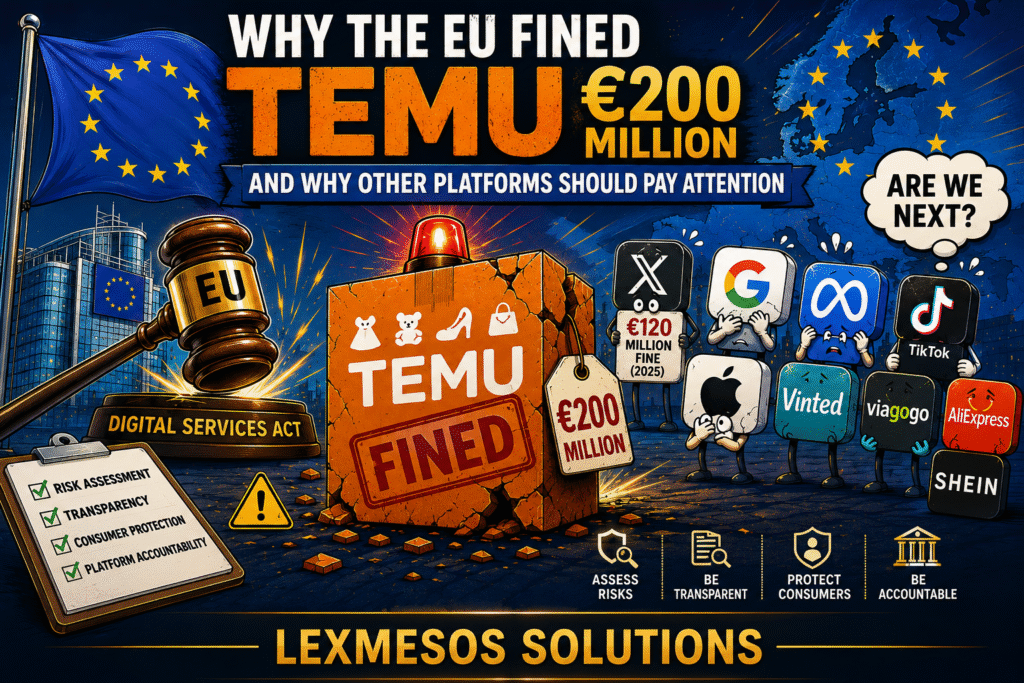
Editorial illustration showing the EU fining Temu €200 million under the Digital Services Act alongside wider platform accountability concerns involving digital platforms and online marketplaces.

Why the EU Fined Temu €200 Million – And Why Other Digital Platforms Should Pay Attention

The EU’s €200 million fine against Temu signals a broader shift towards stronger platform accountability, governance expectations and consumer protection obligations across digital platforms operating in Europe.

Why the EU Fined Temu €200 Million – And Why Other Digital Platforms Should Pay Attention Read More »